
News

June 10, 2026


June 10, 2026
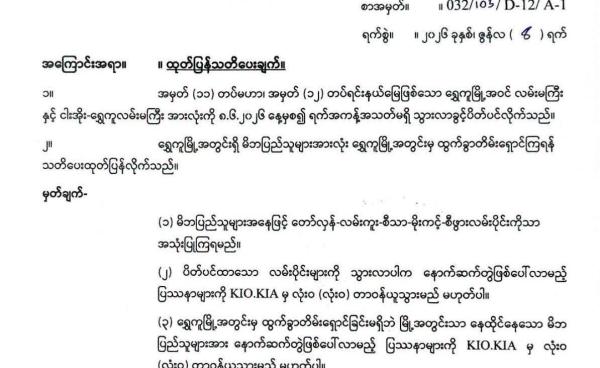
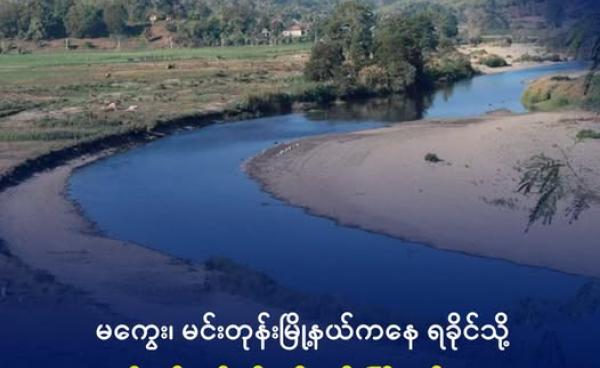
Junta forces have moved to establish positions in Thahpanyaung and Pyaung villages in the western part of Mindon Township, Magway Region, in what...
June 10, 2026
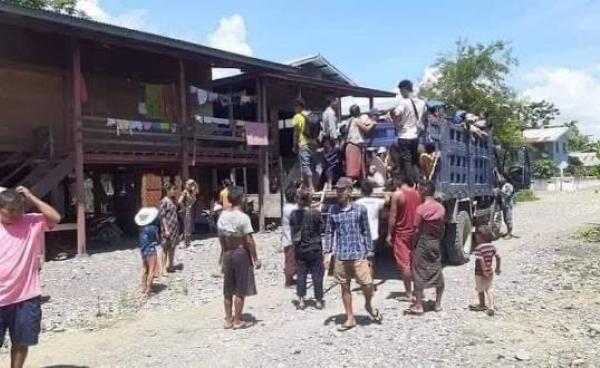
Thousands of residents fled to Kale Town and India's Manipur State as junta troops advanced along the road linking Tamu and Kale town in Sagaing...
June 10, 2026
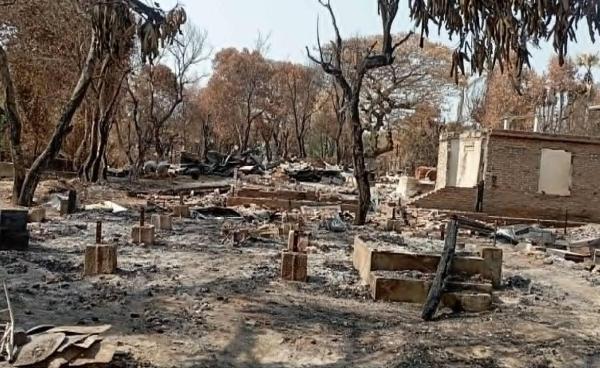
More than 19,100 internally displaced persons (IDPs) in the Myitche region of Magway region urgently require emergency food aid after Myamar junta...

June 10, 2026
School-age children continue to beg on the streets of Mawlamyine, Mon State, due to weak supervision and enforcement by relevant authorities,...

June 10, 2026
A Myanmar Navy speedboat opened fire on a civilian motorboat transport in Kyaukphyu Township on June 7, leaving two local residents wounded,...
June 9, 2026
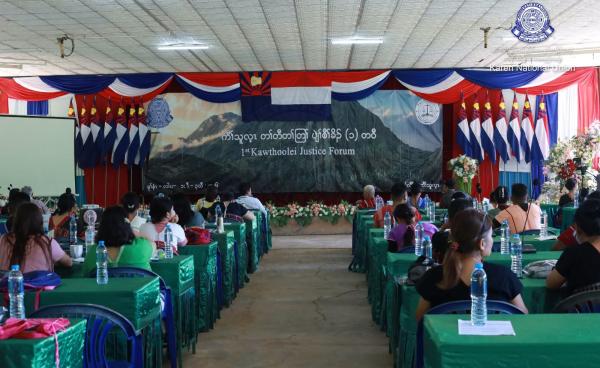
Kawthoolei Justice Forum, held from June 1 to 3, reached a consensus to crack down on telecom scam operations and enforce mining regulations in...

June 9, 2026
The Bangladesh Navy intercepted a massive smuggling operation on June 4, seizing 1,450 bags of cement, five fishing boats, and detaining 52...
June 9, 2026
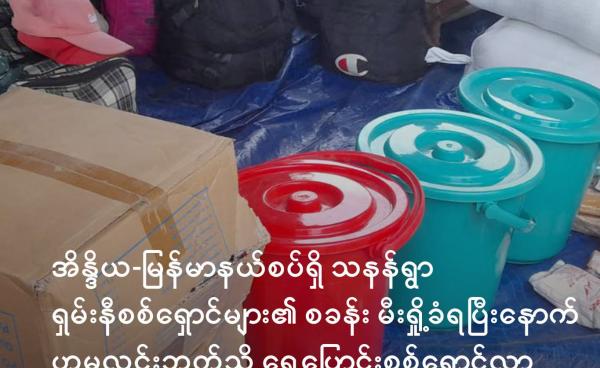
Displaced Shanni people sheltering in Thanan Village, near Ahhlaw Village in Sagaing Region’s Tamu Township near the India border were forced to...
June 9, 2026
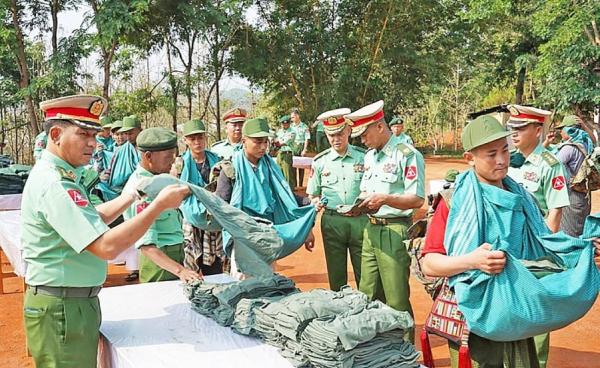
The Myanmar military junta has intensified its forced conscription campaign by launching widespread, arbitrary arrests of civilians across Kalay...

June 9, 2026
Political analysts told IMNA that it is impossible to build a genuine federal union in Myanmar while ignoring the rights and aspirations of the...

June 9, 2026
Residents of Kyaukphyu Town in Arakan (Rakhine) State's Kyaukphyu Township were gripped by fear after a bomb reportedly fell from a junta-operated...
June 9, 2026
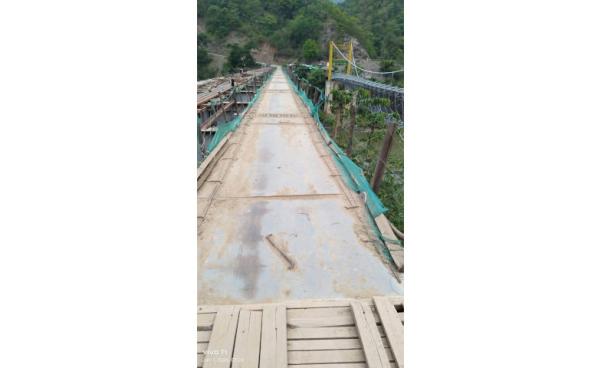
The under-construction Manipur River Bridge, located in the Mansoung area of Tedim Township in Chin State and situated on the route connecting Tedim...
