
News


June 9, 2026
Political analysts told IMNA that it is impossible to build a genuine federal union in Myanmar while ignoring the rights and aspirations of the...
June 9, 2026
Residents of Kyaukphyu Town in Arakan (Rakhine) State's Kyaukphyu Township were gripped by fear after a bomb reportedly fell from a junta-operated...
June 9, 2026
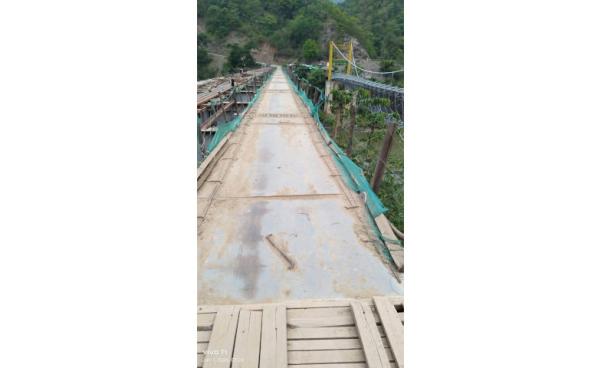
The under-construction Manipur River Bridge, located in the Mansoung area of Tedim Township in Chin State and situated on the route connecting Tedim...
June 8, 2026
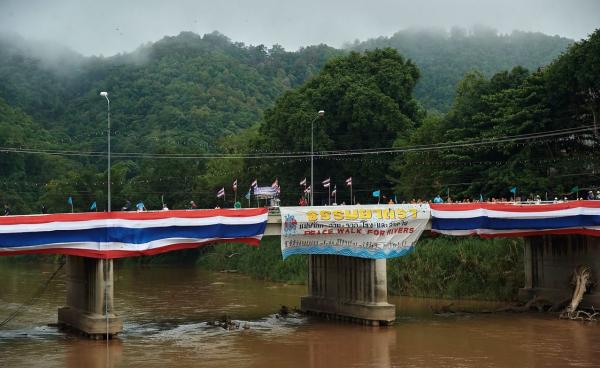
The Karen National Union (KNU) and the Karenni State Interim Executive Council (IEC) issued a joint statement expressing their readiness to cooperate...

June 8, 2026
The newly formed Khumi ethnic armed group, People Front/Khumi National Congress Party (KPF/KNCP), has conscripted about 40 young men and women from...

June 8, 2026
Last week, one topic filled Myanmar social media: a new film about the Konbaung Dynasty, the country’s last royal family. Shooting has not started...
June 8, 2026
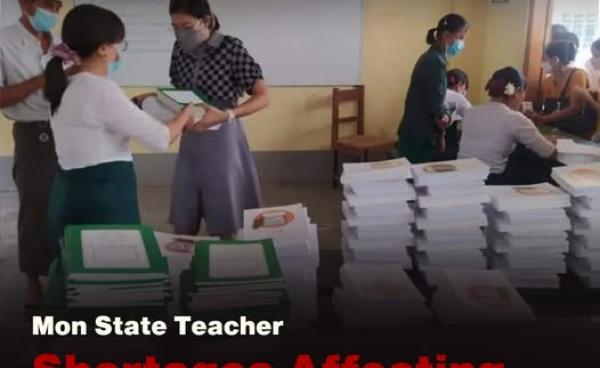
Basic education schools in remote villages and conflict-affected areas of Mon State have reopened for the 2026–2027 academic year, but many are...
June 8, 2026
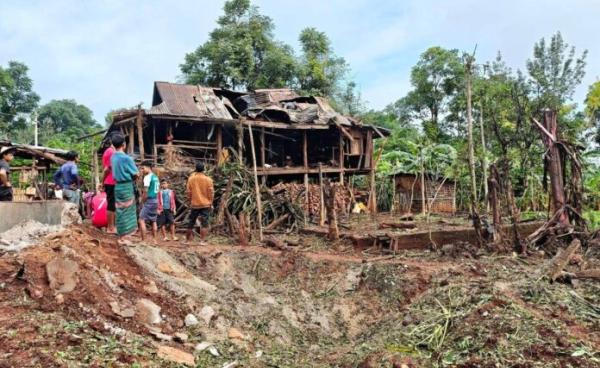
On June 4, at around 5:30 p.m., the military junta carried out bombing by aircraft on three locations in the western part of Demoso Township, Karenni...
June 8, 2026
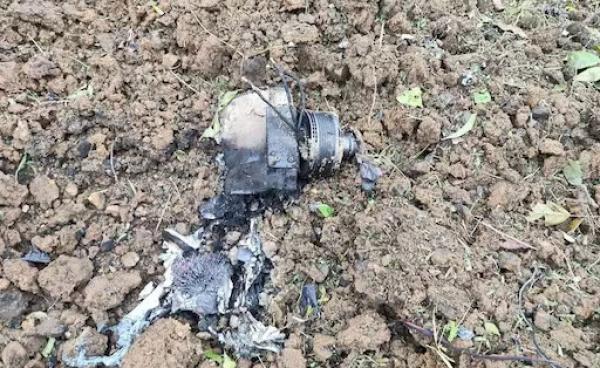
Maung Sar Ga — A 19-year-old oil field worker was killed on June 5 when Myanmar junta forces launched multiple drone strikes on Leytaung town,...
June 8, 2026
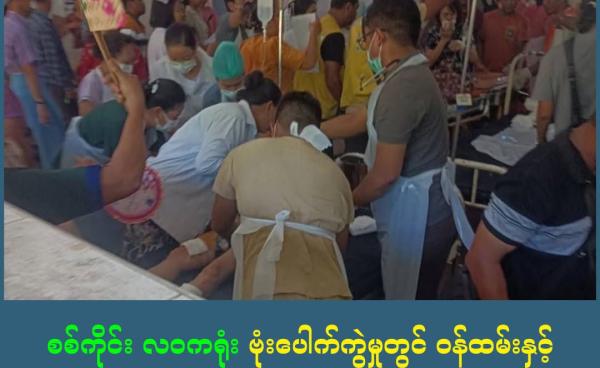
A bomb exploded at the Ministry of Immigration and Population office in Sagaing City, Sagaing Region, seriously injuring 20 staff members and...
June 6, 2026
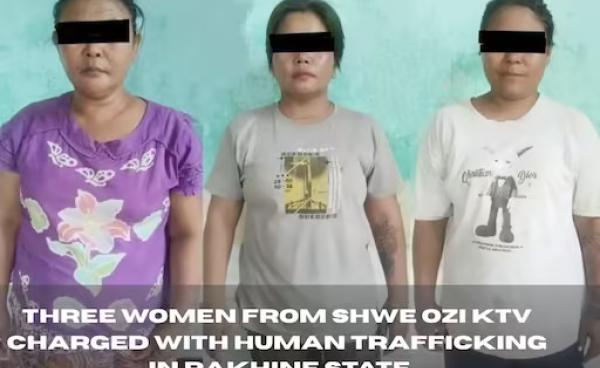
Khaing Lu Hla (Roma Mray) — The Department of Law Enforcement and Public Security (DLEPS), operating under the United League of Arakan/Arakan Army (...
June 6, 2026
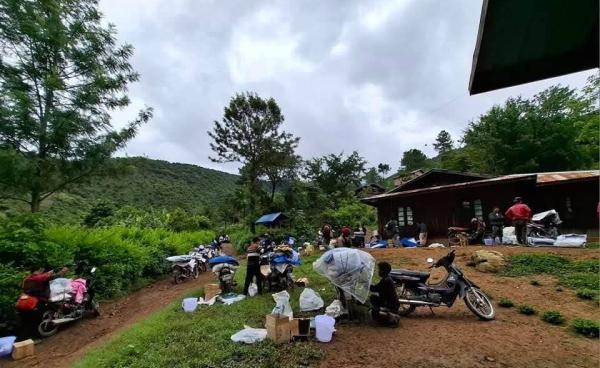
A major military offensive by more than 1,000 junta troops has triggered mass displacement along the border of Chin State and Magway Region, forcing...
